




















Why Profit Off Ads is Different
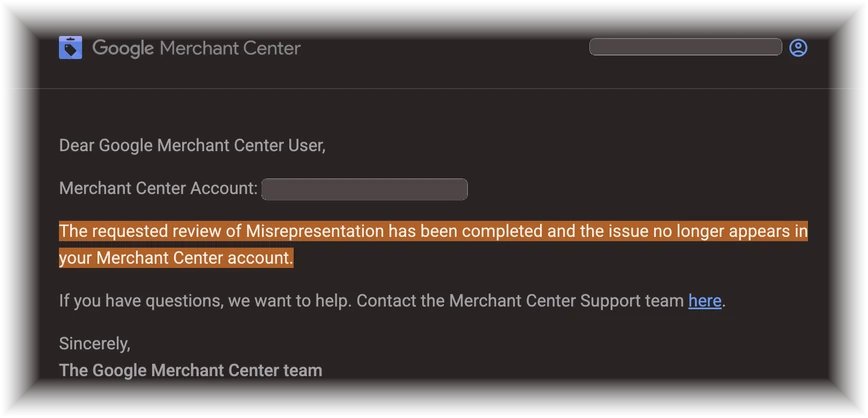
Google Ads insider for GMC unbans.
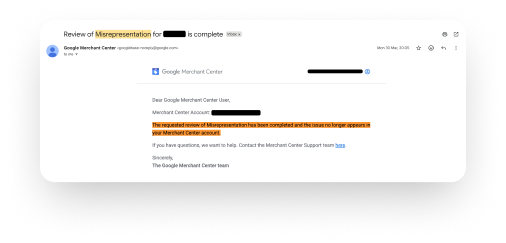
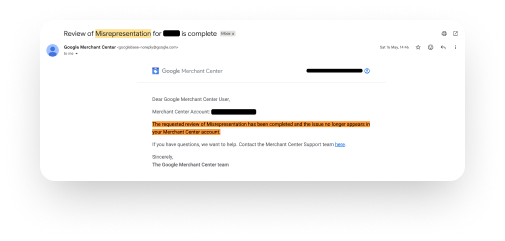
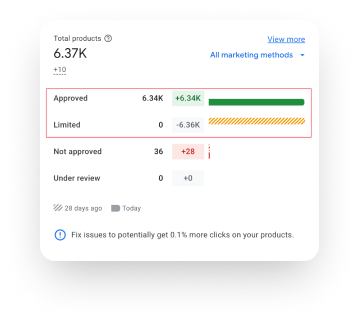
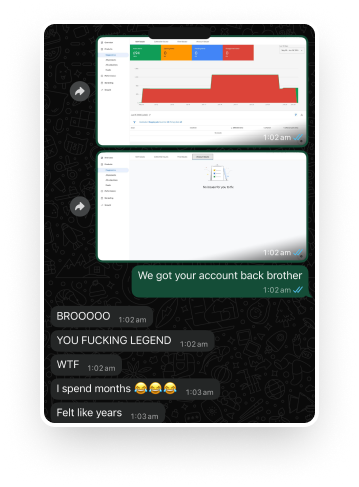
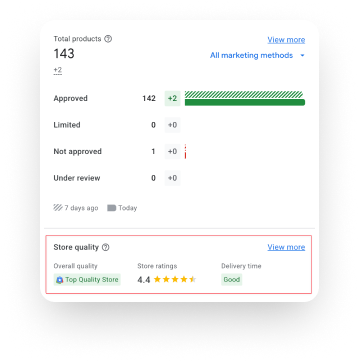
Merchant Centre disapprovals & misrepresentation fixed within hours so your ads can resume.
Founder-led strategies.
It's not a sales call; then, missing type of case. I'm active in Slack and check-in calls.
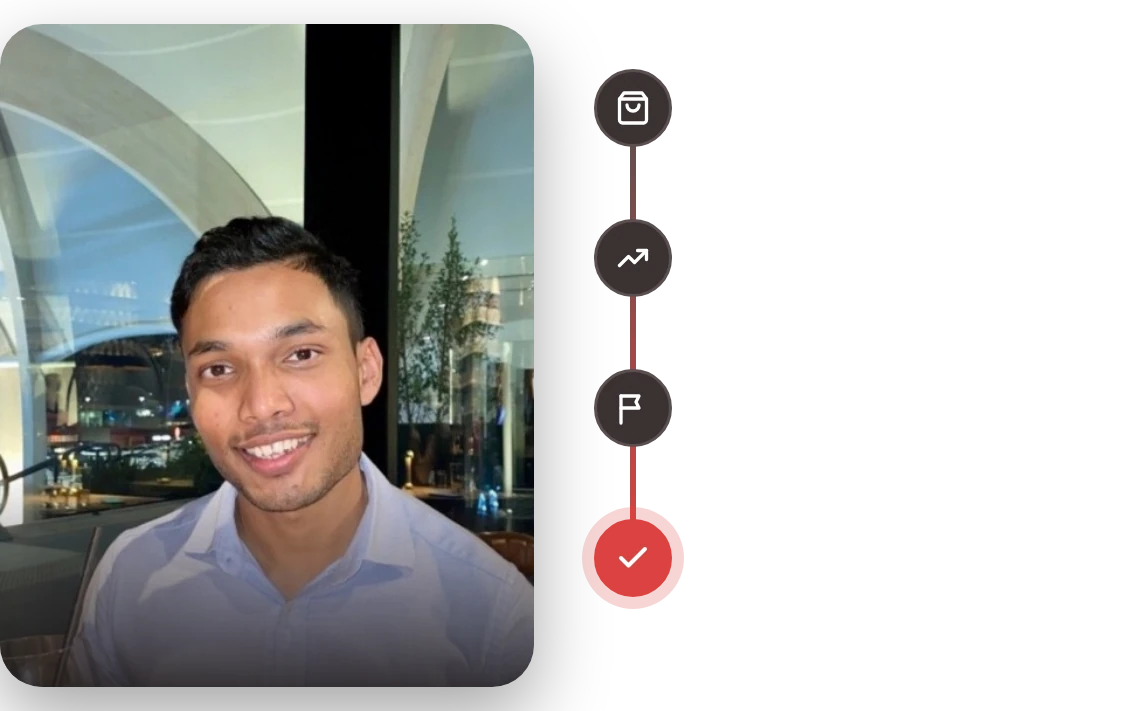
Raf built and exited an eCommerce brand before starting Profit Off Ads
Most media buyers have never owned a product or read a P&L
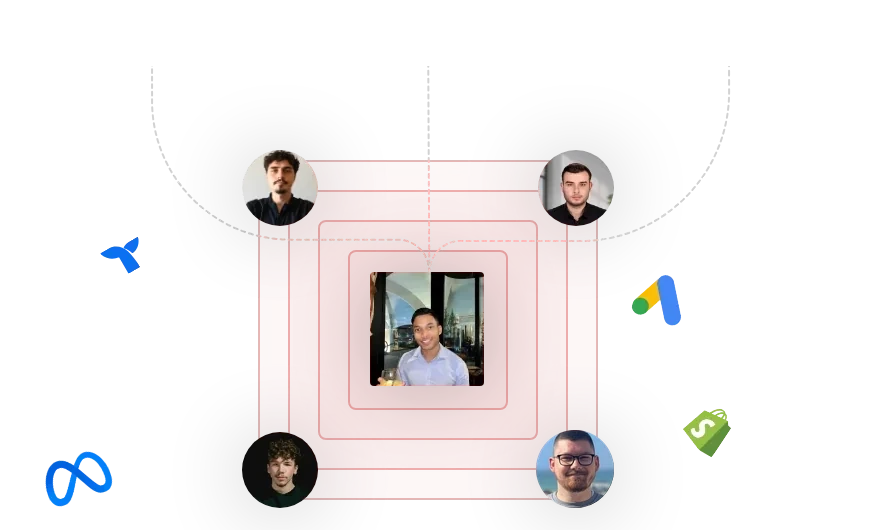
You'll meet every person working on your account before we go live
5–6 specialists, all senior. No offshore VAs you've never seen running your ads behind the scenes.
We build all creative in-house
Scripts, angles, graphic design, video editing done. "The creatives aren't working" is not something you'll hear from us.
Rolling month-to-month. No lock-ins
You stay because the results make it obvious to stay not because you signed something in month one.



























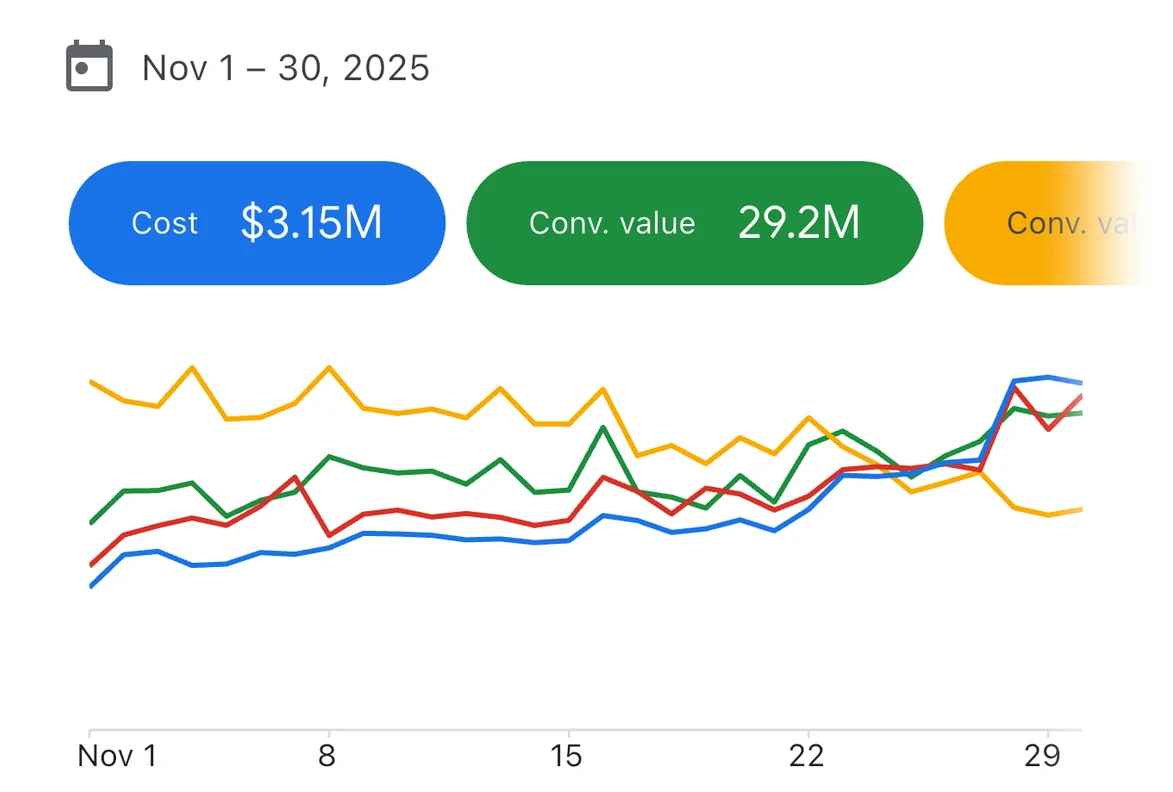
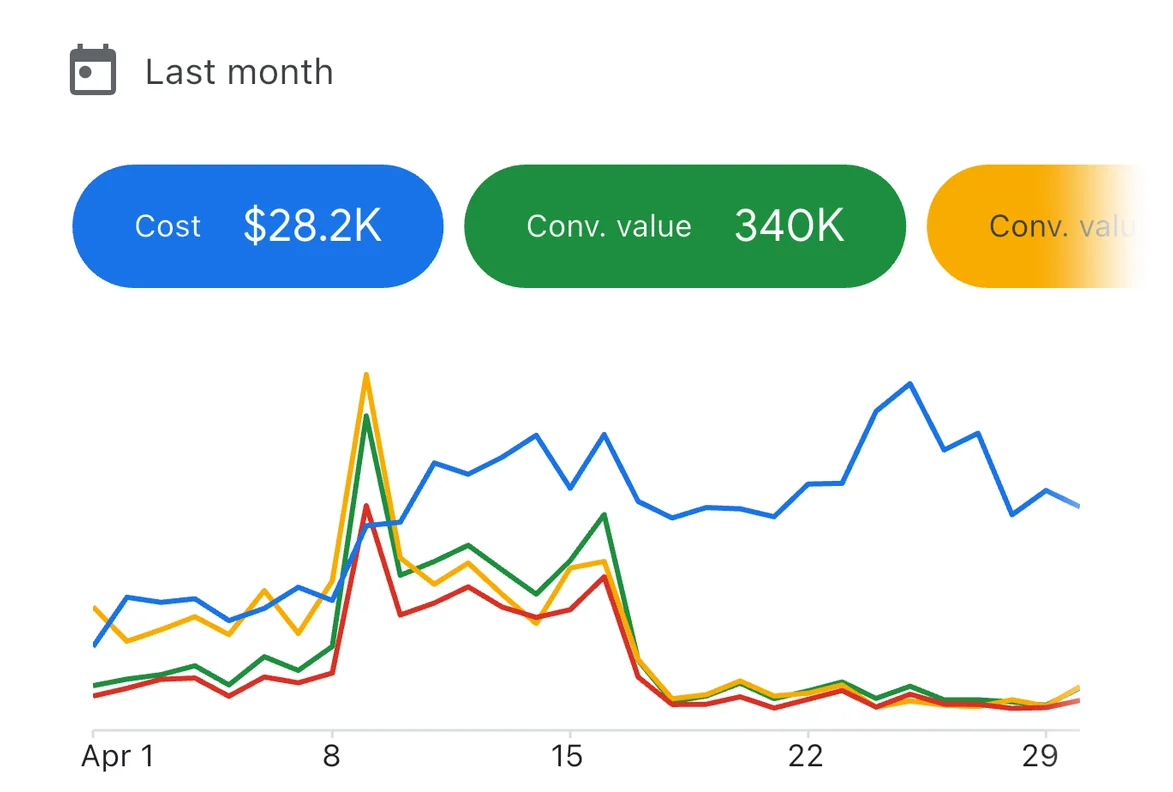
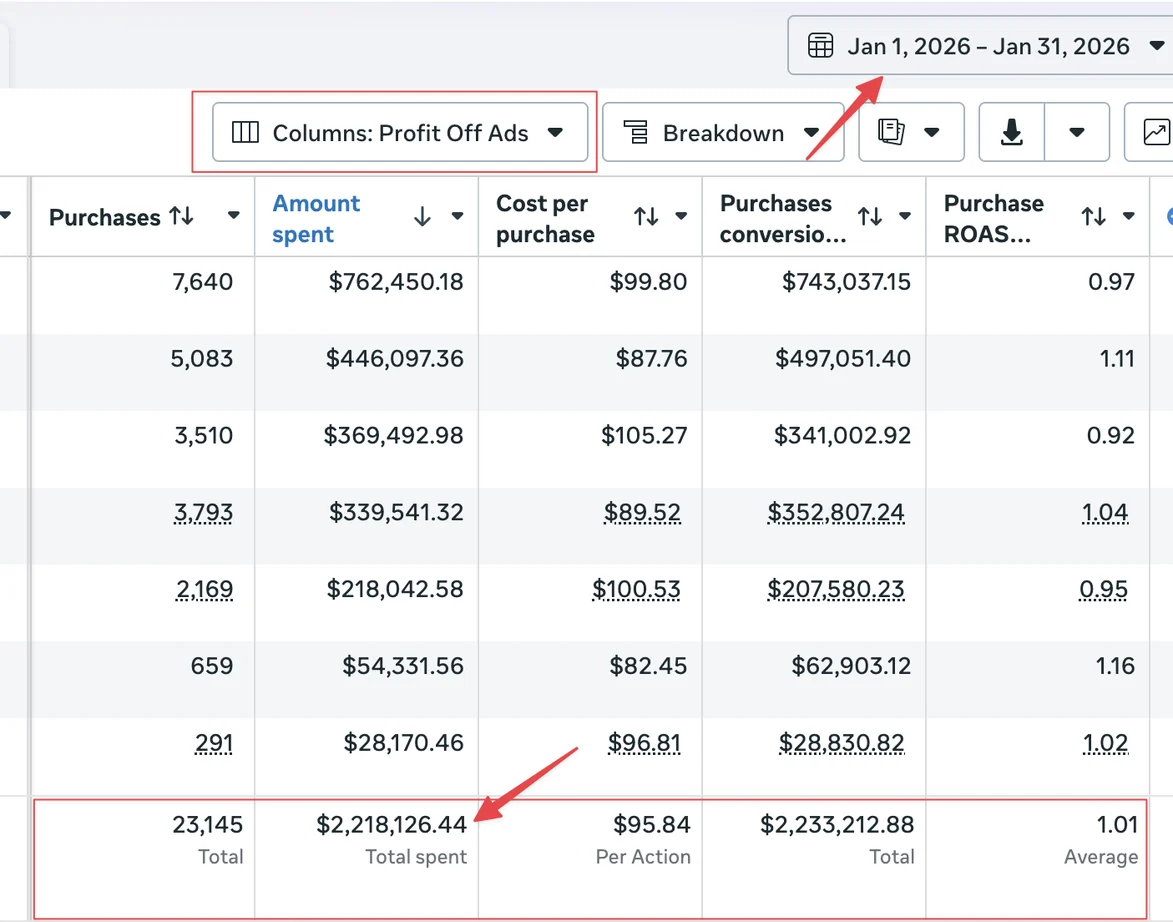
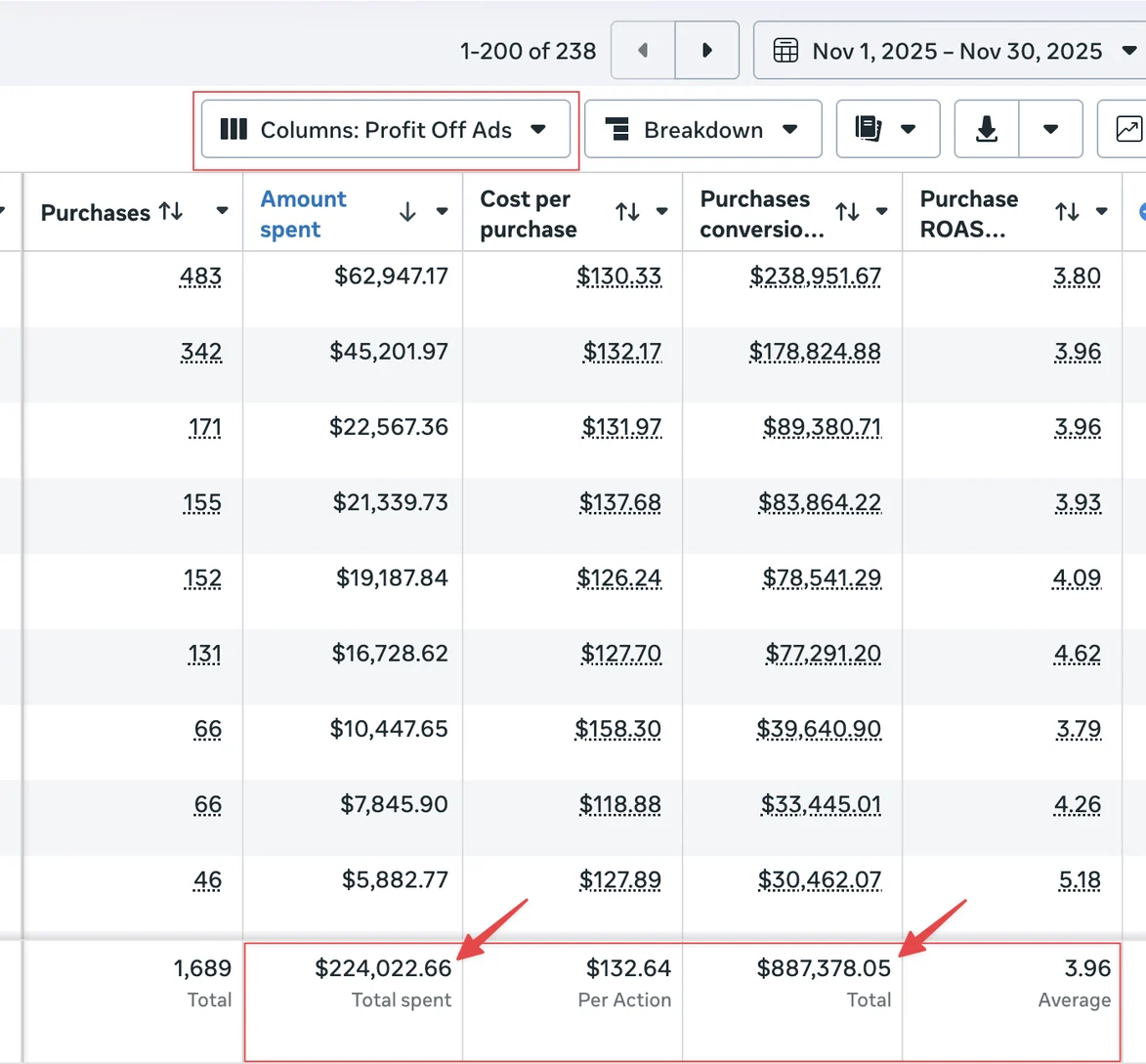
What we did to scale them
1. Created “events” to capitalise on
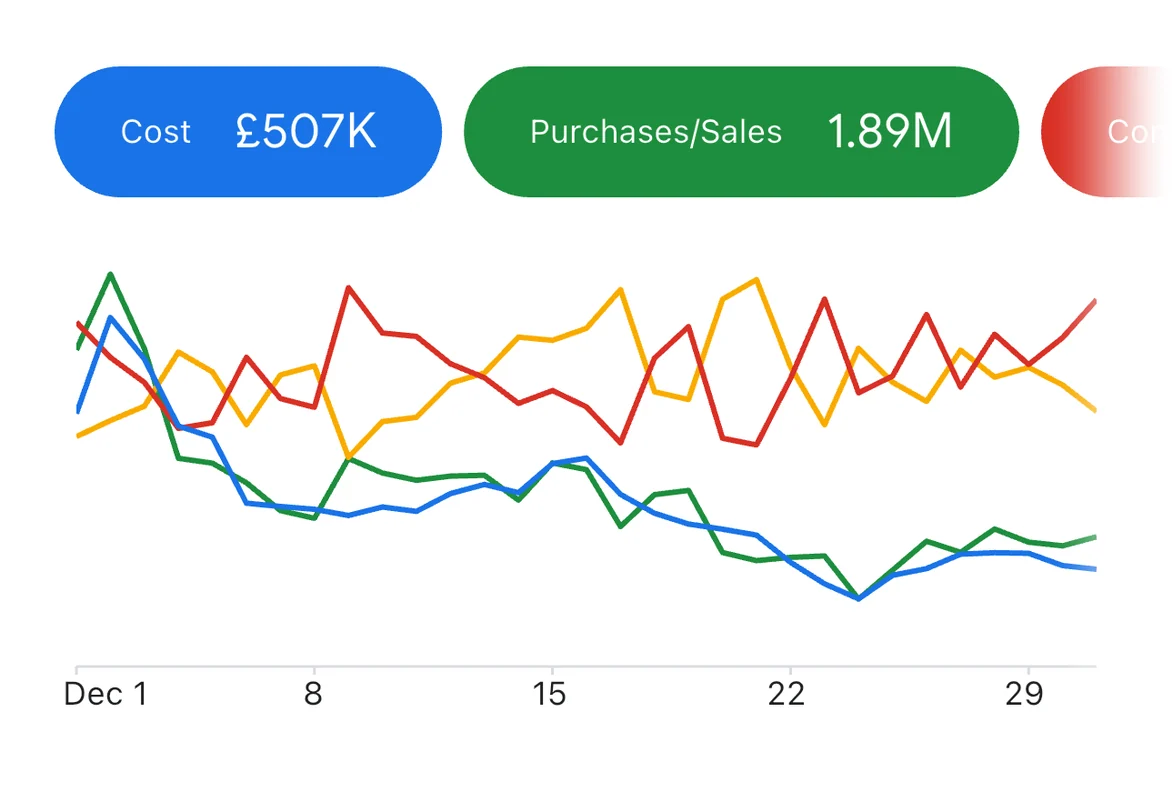
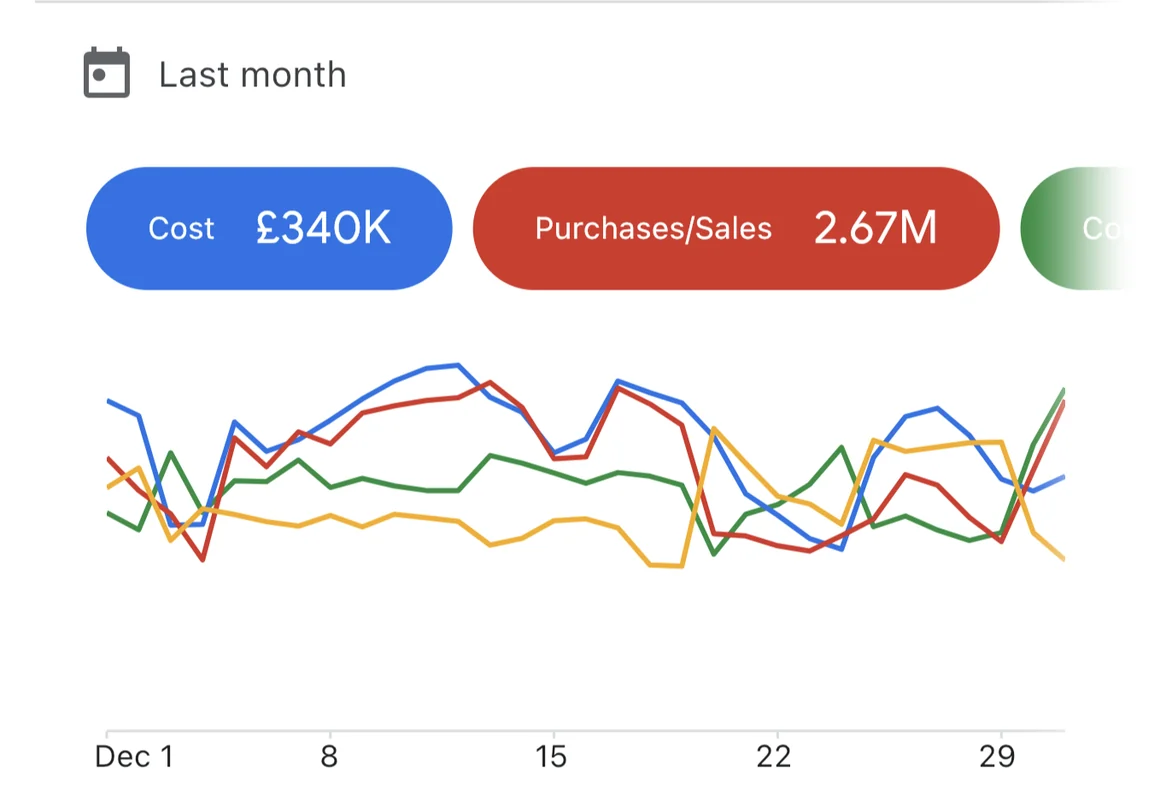
We identified the brand’s ICP as young males who are keen NFL fans. Consequently, we introduced a “Game of the Month” promotion featuring the month's most popular match. This allowed us to run a limited-time promotion lasting 3-4 days with an offer and landing pages focusing on those two teams. The conversion rate tripled.
2. Introducing offers and unique angles
Before us, the brand hadn’t employed fundamental direct-response principles. We introduced offers that preserved margins and tested unique angles. Most of these tests were conducted on Meta, with creatives and ad copy aligned with the angle and offer, before taking the successful ones to Google.
3. Taking over creatives with our in-house creative team
The founders were handling creatives themselves while occasionally using contractors. However, those contractors presented two issues: they were rarely on time and did not deliver quality creatives. Given that we often ran limited-time promotions (3-4 days), we frequently missed the optimal timing. Consequently, we decided to take over the creatives and utilise our in-house team. This involved managing all the offer formulation, angle ideation, and concept development, which are more crucial than flashy edits and transitions. Of course, we also undertook all the graphic design and video editing.
4. Angle and occasion-based landing pages
We directed all paid ad traffic to landing pages customised for specific games and sporting events. This allowed us to be ultra-specific in our ad messaging, which boosted conversion rates.
5. Implementing a full funnel approach on both Meta & Google Ads
We tossed all the conventional wisdom out the window. None of this “only broad targeting” or “ASC+ works best” philosophy. We tested everything from ASC+, interests, lookalikes, stacked audiences, and retargeting on Meta. And, guess what? We achieved the highest success rate with interests, and we still do to this day on this account. Also, testing the “website and shop” placement was a game changer; it performed 2.7 times better than running to “website” only.
On Google, we didn’t merely stick to Performance Max or Shopping; we utilised search, display, YouTube, Shopping, and pMax. We also oriented the entire ad account for each effective angle and promotion, which dramatically lifted conversion rates.
6. Threw out all the traditional “BS” advice you hear online
The truth is that every brand and ad account is unique. People should avoid speaking in absolutes, and you ought never to listen to them without question. If we had merely followed the prescribed methods, we wouldn’t have achieved the success we did. Every brand has distinct AOV, LTV, conversion rates, and USPs; therefore, each ad account is different and requires a unique strategy tailored to that brand. No copy-and-paste strategies here.
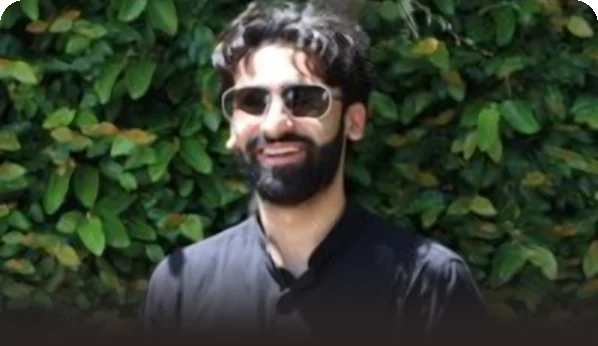





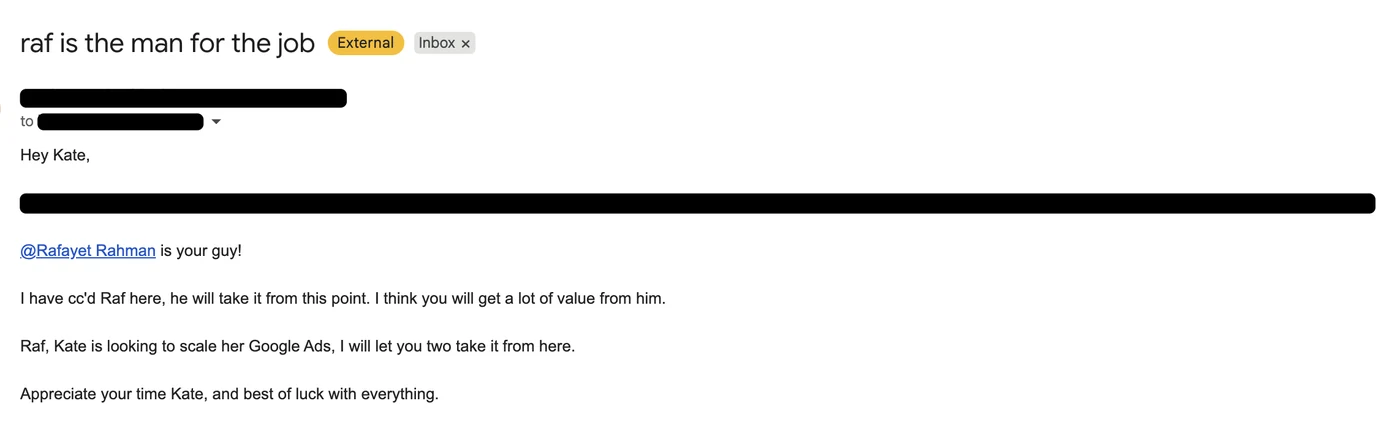
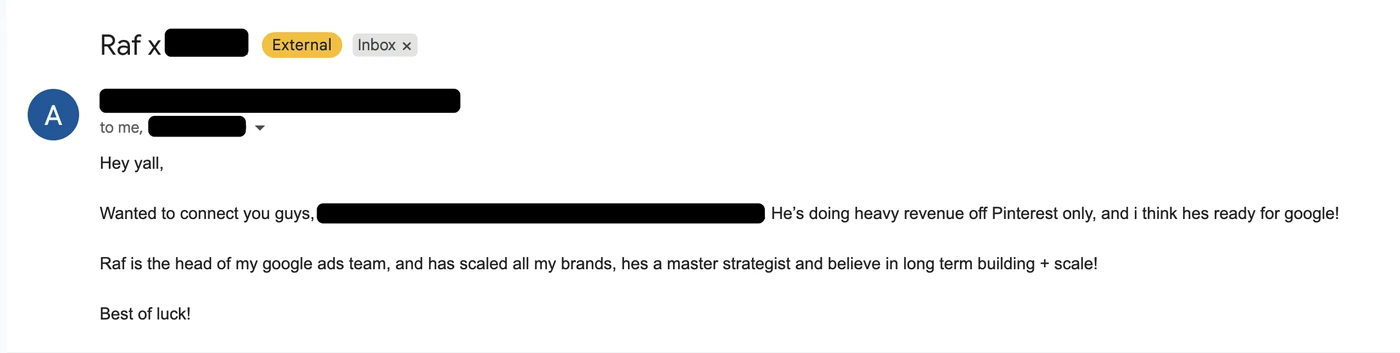
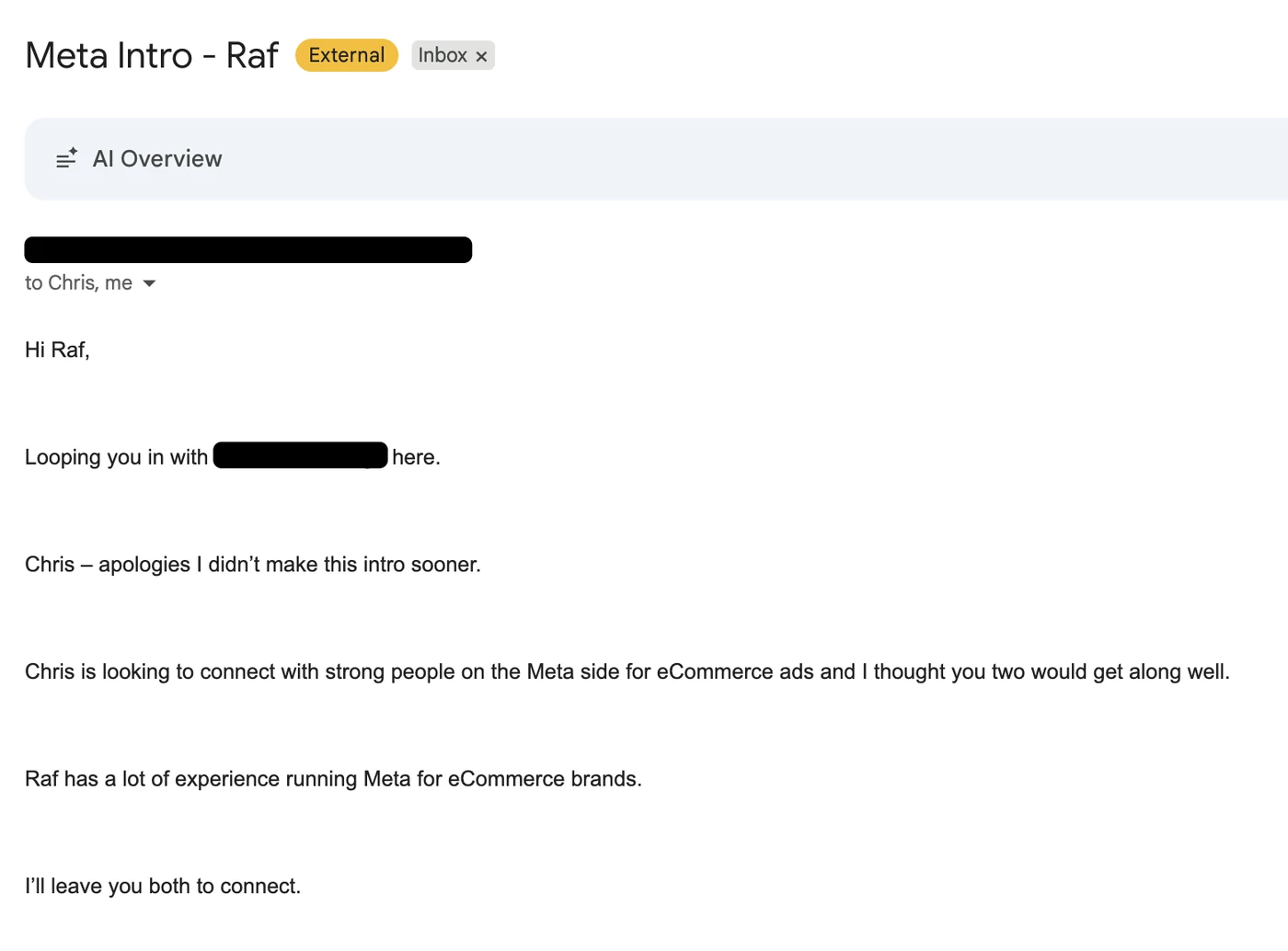













He built an eCommerce brand, scaled it, and sold it.
He's run a P&L, managed inventory, and felt what a declining ROAS does to a brand's cash flow from the inside.
After exiting, he started Profit Off Ads with one idea: the brands doing serious numbers deserve a partner who's actually operated at that level.
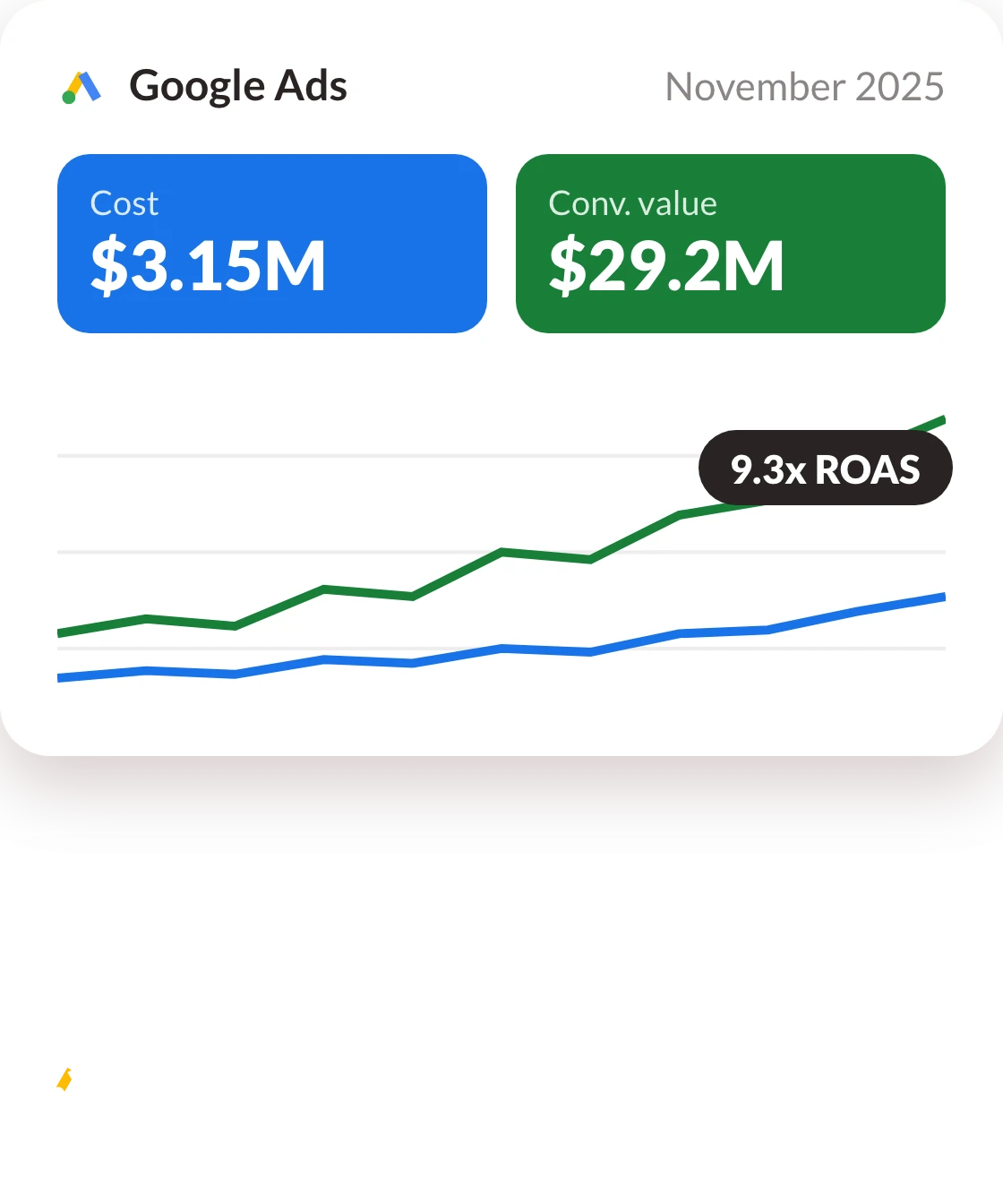
Today the agency manages $7M+ in monthly ad spend, retains brands for an average of 9+ months, and includes ex-Google Ads employees and an active Google insider on the team.
Raf is involved in every account, every day.

Profit Off Ads is the best-in-class service for scaling e-commerce and information product businesses through optimised paid advertising. We combine data-driven strategies, high-converting creatives, and expert campaign management to increase your ad spend, ROAS, and ultimately, your profits.
You're getting a dedicated team of 5-6 specialists working on your Google and Meta ad campaigns, including ad creatives, campaign optimisation, and ongoing management. You'll also receive regular performance reports, access to our team of experts, and tailored consulting services specifically designed to meet your needs.
Profit Off Ads is designed for 7-9 figure DTC eCommerce brands and information-product businesses looking to scale. It's ideal for businesses currently spending at least $50,000 per month.
The Strategy Session is crucial for us to gain a thorough understanding of your business, current challenges, and goals. It allows us to assess whether we're the right fit for each other and to create a tailored strategy for your brand. We're selective about who we work with, ensuring that we can deliver outstanding results.
We're so confident in our approach that we guarantee to boost your ad performance and ROAS within the first 30 days, or you don't pay. We've helped brands scale from $100,000 to over $1,000,000 in monthly revenue within three months.


